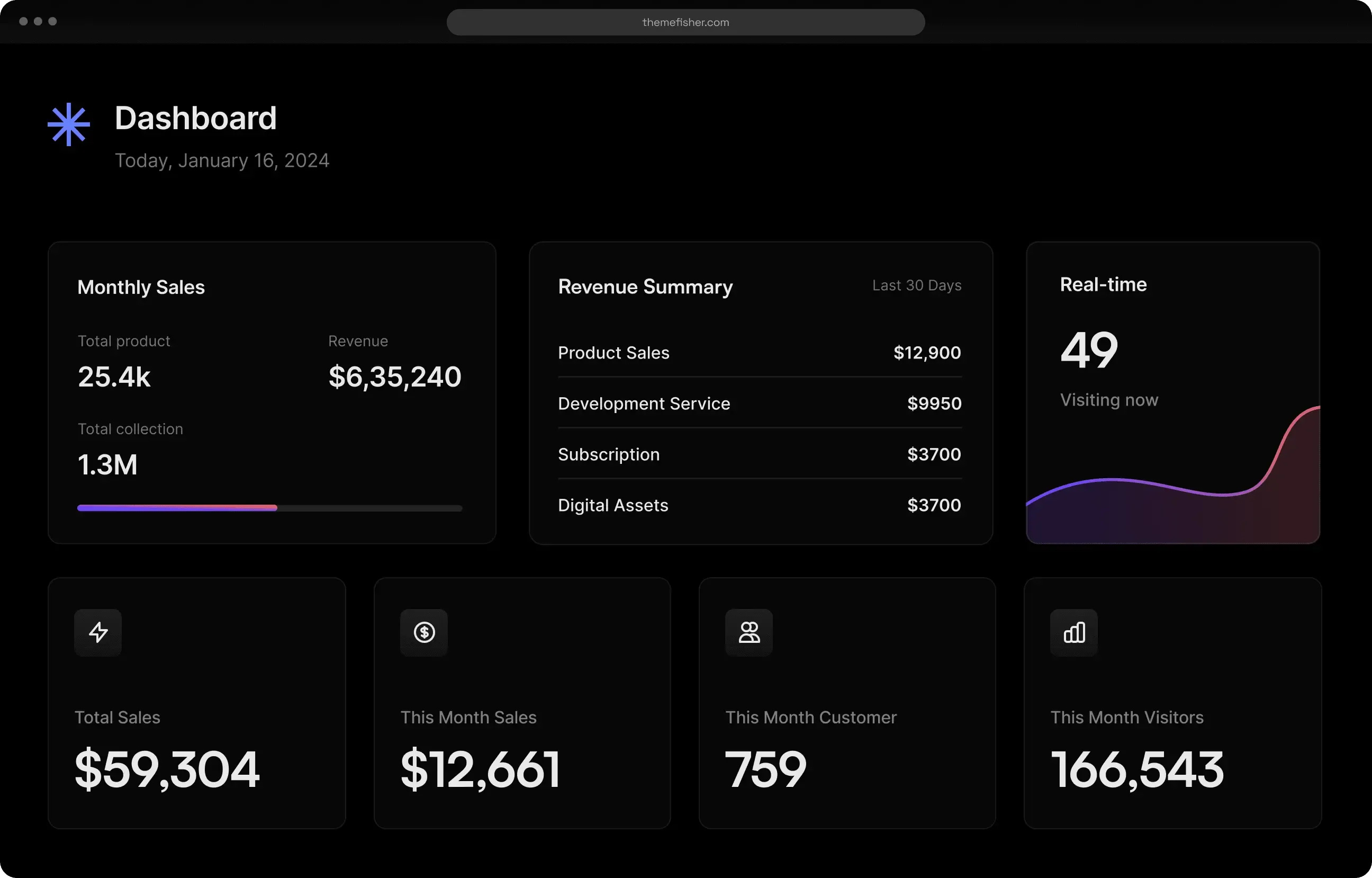
You wouldn’t drive a car without a dashboard, so why run a solar system without proper monitoring? Yet many solar owners have little to no visibility into how their system is actually performing day to day.
The Hidden Cost of Blind Spots
Studies show that unmonitored solar systems lose an average of 10-15% of their potential production due to undetected issues. Over a 25-year system lifespan, that’s tens of thousands of dollars in lost energy.
Common issues that go unnoticed without monitoring:
- Micro-cracks in panels that gradually reduce output
- Inverter failures that can take days or weeks to notice
- Partial shading from growing trees or new construction
- Wiring issues causing intermittent connection drops
- Soiling buildup reducing light absorption
Types of Monitoring
System-level monitoring tells you total production but can’t pinpoint which panel has an issue. It’s like knowing your car is using too much gas but not knowing which cylinder is misfiring.
Panel-level monitoring (available with microinverters like Enphase or DC optimizers like Tigo) tracks each panel individually. This is the gold standard — you can spot a single underperforming panel instantly.
What Good Monitoring Looks Like
The best solar monitoring solutions provide:
- Real-time production data updated every few minutes
- Historical trends so you can spot gradual degradation
- Automated alerts when something falls outside normal ranges
- Weather-adjusted expectations so you’re comparing against realistic baselines
- Actionable recommendations rather than just raw data
Where Soladex Fits In
Soladex connects to your existing monitoring hardware (Enphase, Tigo, Smappee, and others) and adds an intelligence layer on top. Instead of just showing you graphs, it tells you what’s normal, what’s not, and what to do about it.
Combined with the Solar Power Index forecast, you get a complete picture: what your system should produce today, what it’s actually producing, and how to optimize your energy decisions based on both.
Monitoring isn’t just about catching problems — it’s about continuously optimizing a system that represents a $25,000+ investment. Treat it accordingly.